
A new study shows dogs and human toddlers are eager to help when their adult caregivers are looking for a missing item, but cats don’t seem to care.
The study, which involved running the same experiment for young children, dogs and cats in their own homes, made it clear cats were fully aware of what was happening and understood their humans were looking for the missing object.
They just didn’t care.
There was one notable exception, of course. If the missing items were important to the cat — a favorite toy, for instance, or a bag of treats — the felines were motivated to help search or direct their humans to the missing objects, the research team from Eötvös Loránd University in Hungary found.
But at all other times, feline observers were content to hang back and watch, even when they understood their humans were getting frustrated.
By contrast, young children and dogs actively tried to help and signaled to adults when they thought they’d found the object.
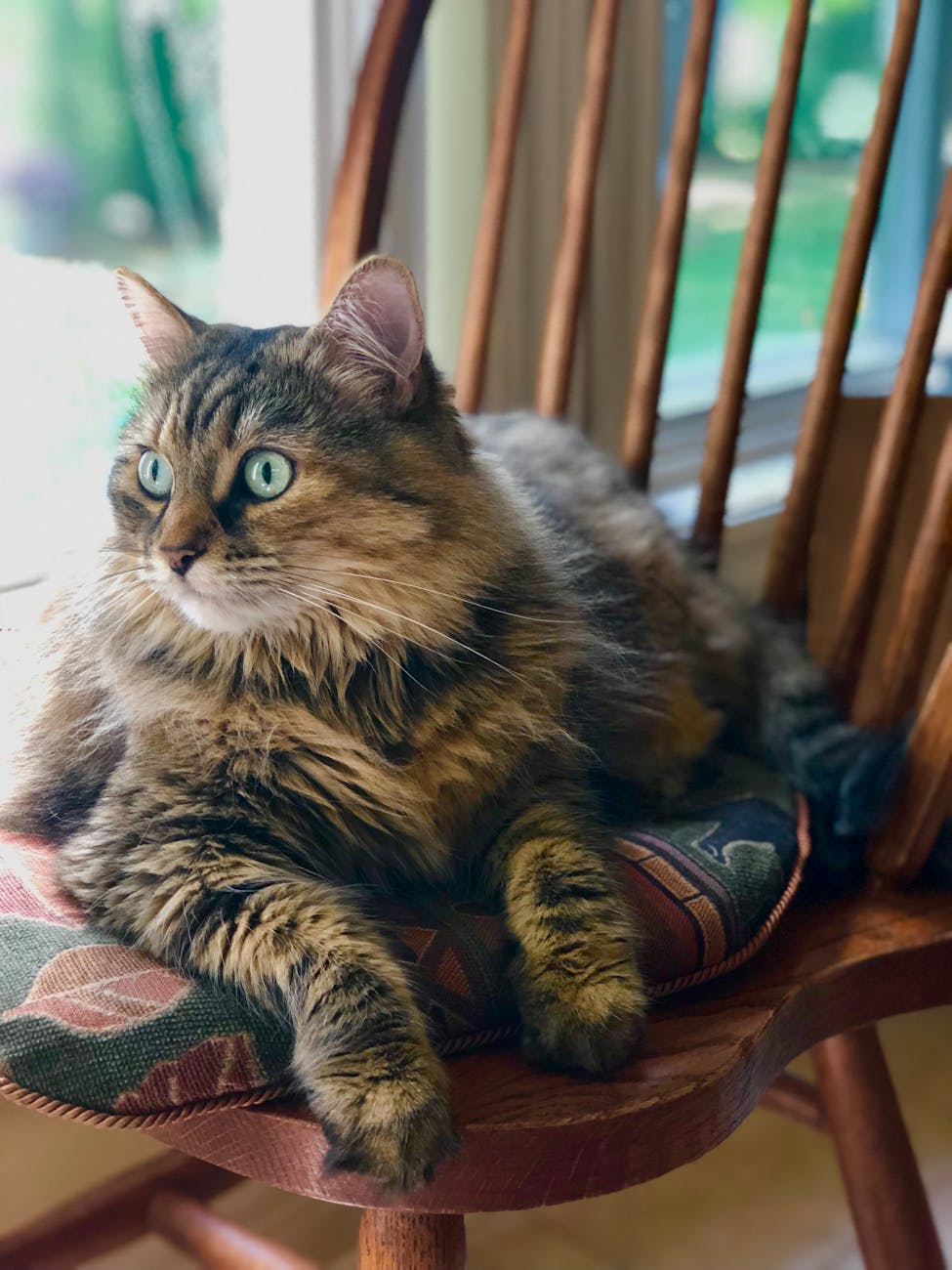
So does this mean cats are jerks? Probably. Are we surprised by the results? Not at all.
We still love our furry friends, who do have their own unique ways of demonstrating they care about their humans beyond seeing them as providers of food, shelter, and safety, as well as playmates, minions and servants.
Besides, testing whether dogs or cats were helpful or not wasn’t the point. As the authors note, “[t]hese three species provide an important comparison because they share a similar anthropogenic environment but differ in their ecological and evolutionary backgrounds.”
In other words, they’re interested in figuring out how evolution plays a part in how species behave in particular situations. Although it’s yet to be conclusively proven for this behavior, a likely reason is because domestic cats are the descendants of a mostly solitary wildcat species, whereas we humans and our canine friends have long evolutionary histories of living in social groups and cooperating with each other.
The study is included in the March 2026 issue of Animal Behavior.
via Pain In The Bud