
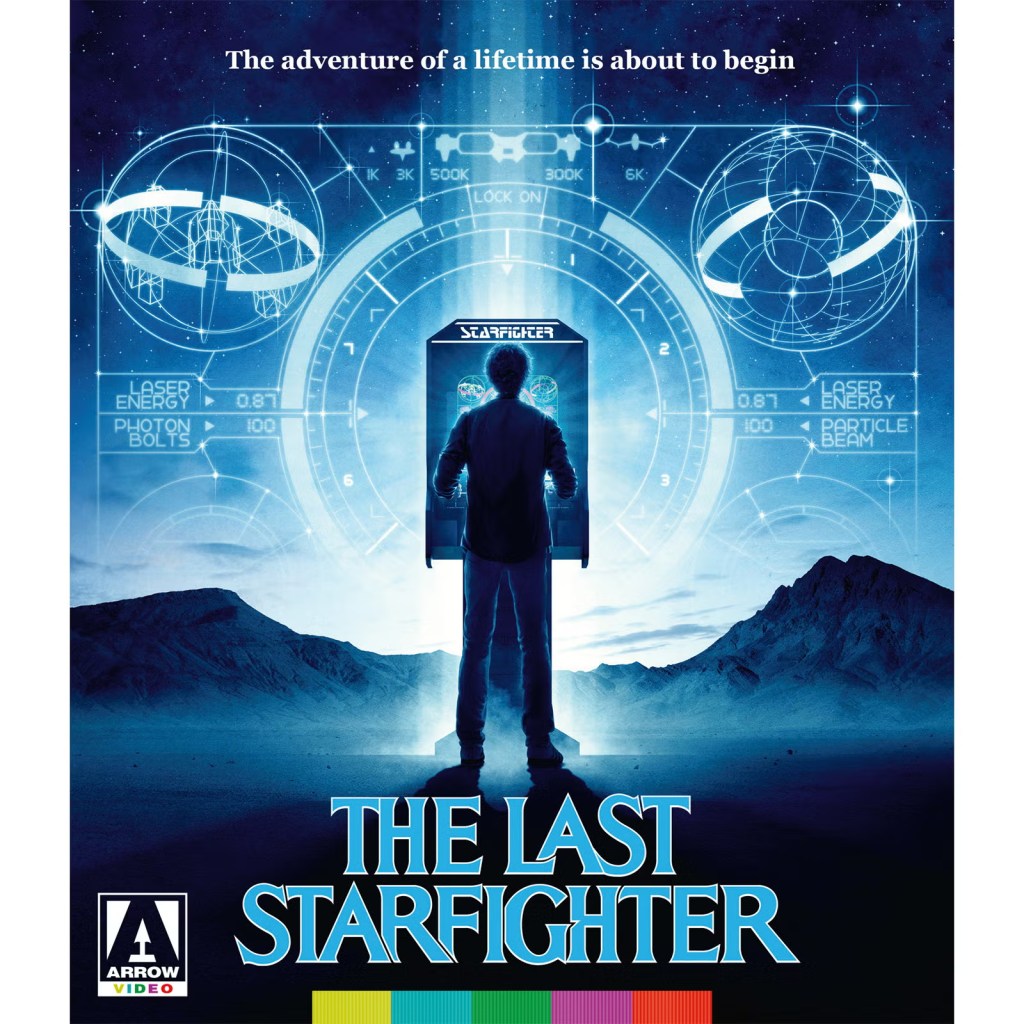
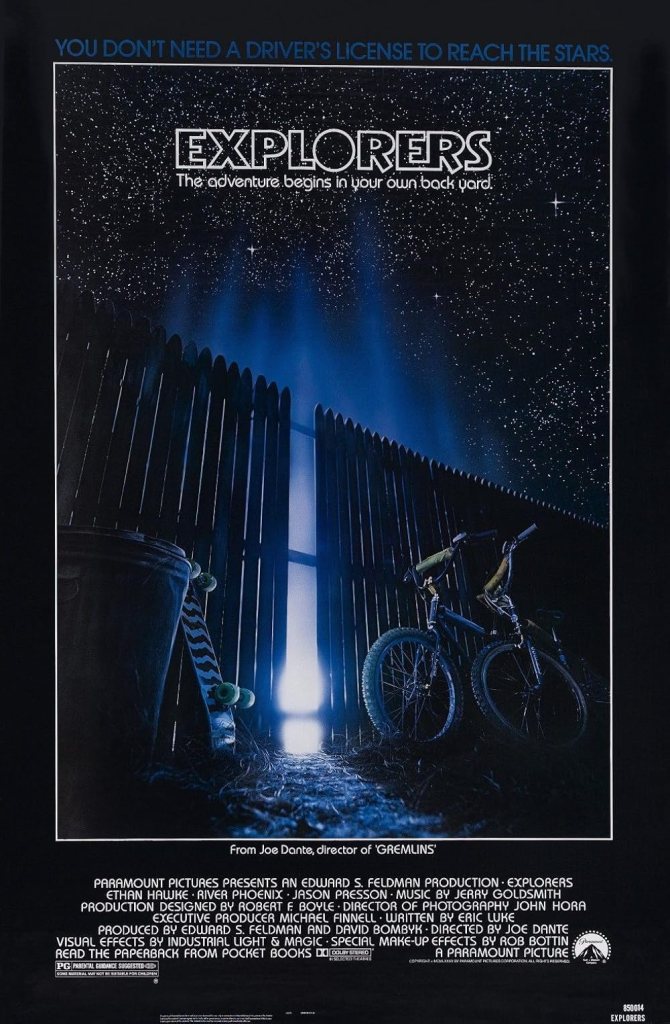
ET. The Last Starfighter. Explorers. Enemy Mine. Arrival.
While Alien is nightmare fuel combining dread in its purest form and the hallucinogenic visuals of one of modern history’s most disturbed artists -creating a vision of extraterrestrial life so horrific that many audiences couldn’t deal with what they were seeing when it hit theaters in 1979 – science fiction also has a strong tradition of imagining friendship in the stars.
Audiences love it when their spacefaring hero finds a buddy.
Project Hail Mary is that kind of movie, but it doesn’t look that way at first. Dr. Ryland Grace (Ryan Gosling) is a biologist who was laughed out of higher education when he published papers arguing that our ideas about what’s necessary for life to spark were all wrong.
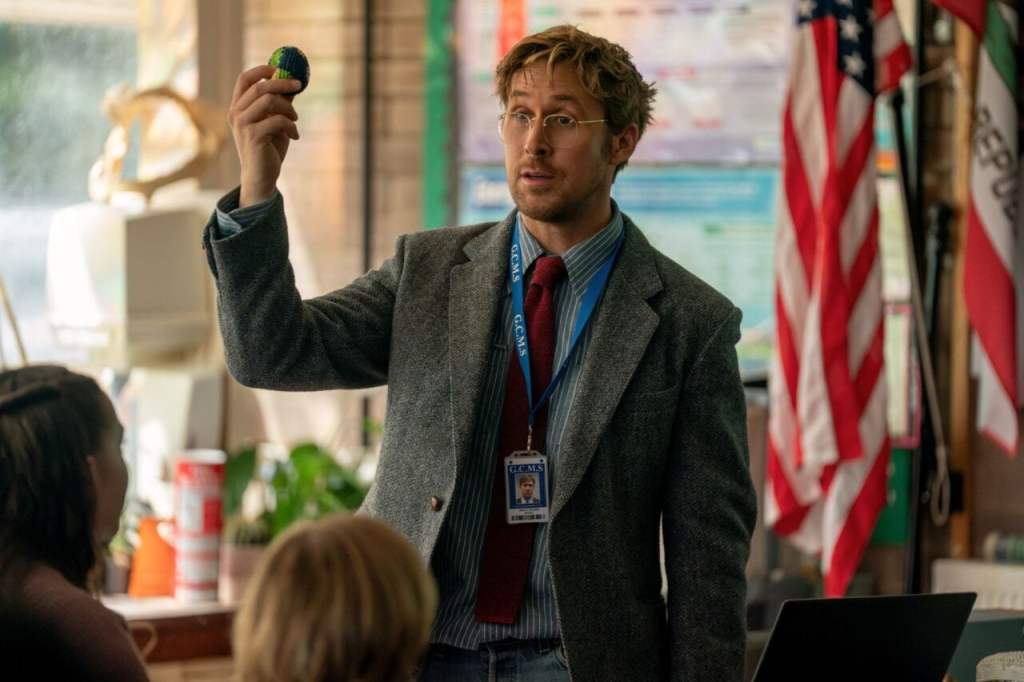
Grace is an enthusiastic middle school science teacher when we meet him through the eyes of a UN official who recruits him for what will be known as Project Hail Mary.
The sun is dying. No one’s sure why until an amateur astronomer named Irina Petrova discovers a wispy line of infrared radiation bridging Venus to our home star. The newly-Christened Petrova Line is made of astrophage, a virus-like organism that feeds on stellar energy, robbing the star of its power.
What begins as a gradual, almost imperceptible drop in the sun’s energy quickly accelerates and the Earth’s temperature begins to plummet.
The same papers that got Grace exiled from academia land him a spot on the worldwide project to study and destroy the astrophage. The usual assumptions about how life operates are not cutting it, and the project needs all the independent thinkers it can find to look for a solution.
If they can’t find one, the dying sun will leave the Earth in a deep freeze. In turn it will bring on a new ice age, the destruction of most of Earth’s arable farmland, mass extinction of plants and animals, then famine and all the horror that comes with it.
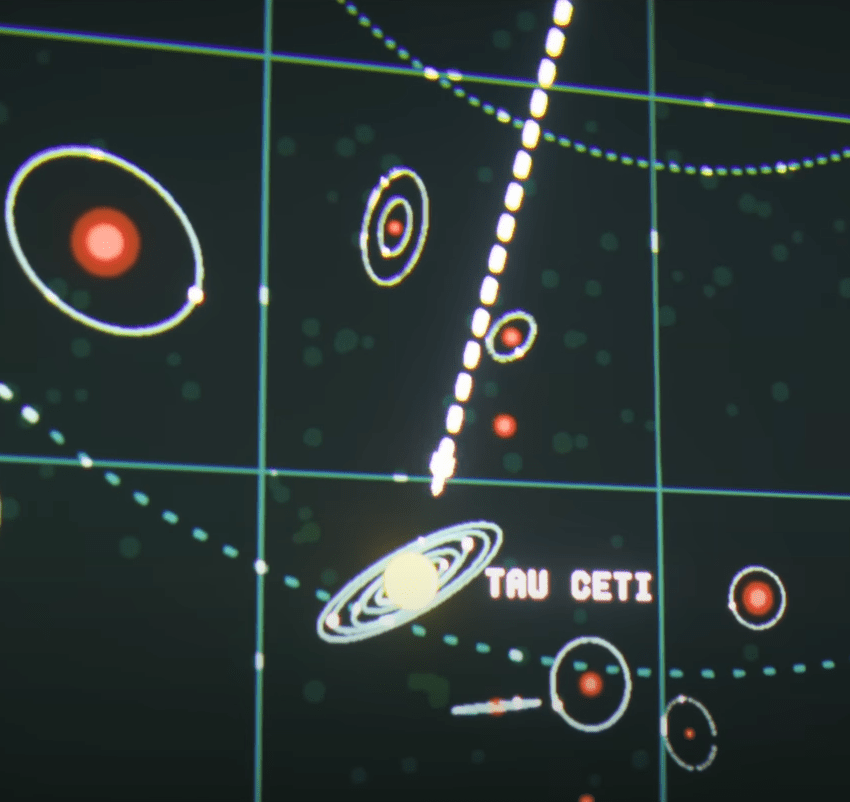
The narrative cuts between past (Grace’s introduction to the project and its early days) and present, when Grace is one of three crew members headed to the star system Tau Ceti to find out why it’s the only star in our cluster that hasn’t been infected with astrophage. In our entire galactic neighborhood, only Tau Ceti — a G-type star similar to our sun about 12 light years out — continues to burn bright.
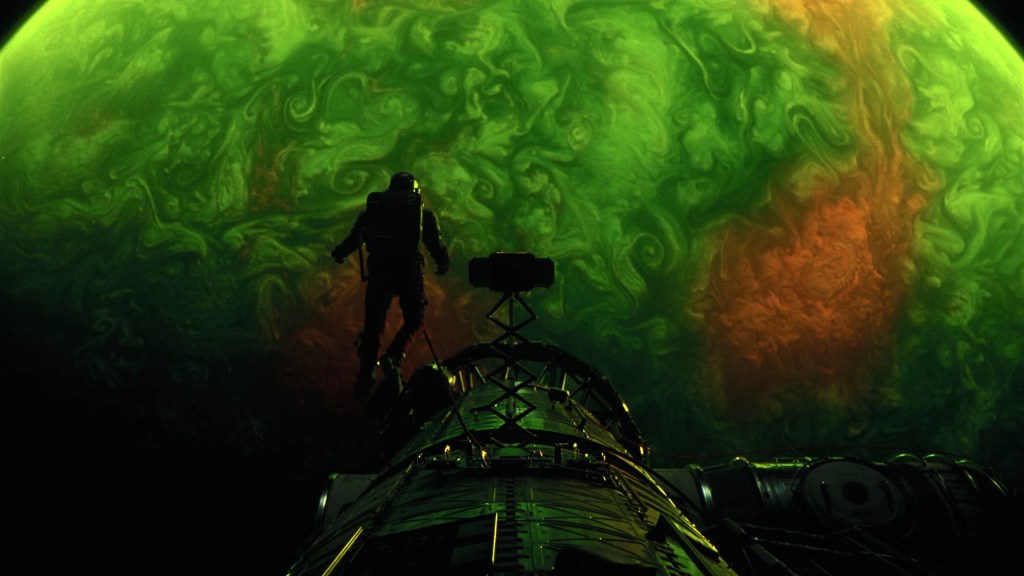
It turns out humans are not the only ones desperate to know why Tau Ceti is not dying, and that’s where the movie goes from interesting to emotionally resonant, poignant and a heck of a lot of fun.
There’s plenty of mystery, tension, and awe at the beauty of creation, all against the backdrop of Grace’s evolving relationship with his unexpected buddy.
This is a movie that would have been a major challenge for any lead actor, and Gosling not only imbues Grace with with a self-conscious, cautious bearing, he also does a great job of carrying long scenes without the benefit of another expressive human face to help him sell the action and drama.
What could have been convoluted science is explained to the audience in simple and effective terms. The problem is outlined elegantly, and the stakes are made very clear. If no one can figure out how to stop the astrophage, humanity will likely survive in the near term, but only in miserable, resource-depleted, technologically retrograde pockets of people who regard others as a threat. Eventually even those holdouts will succumb to cold and starvation.
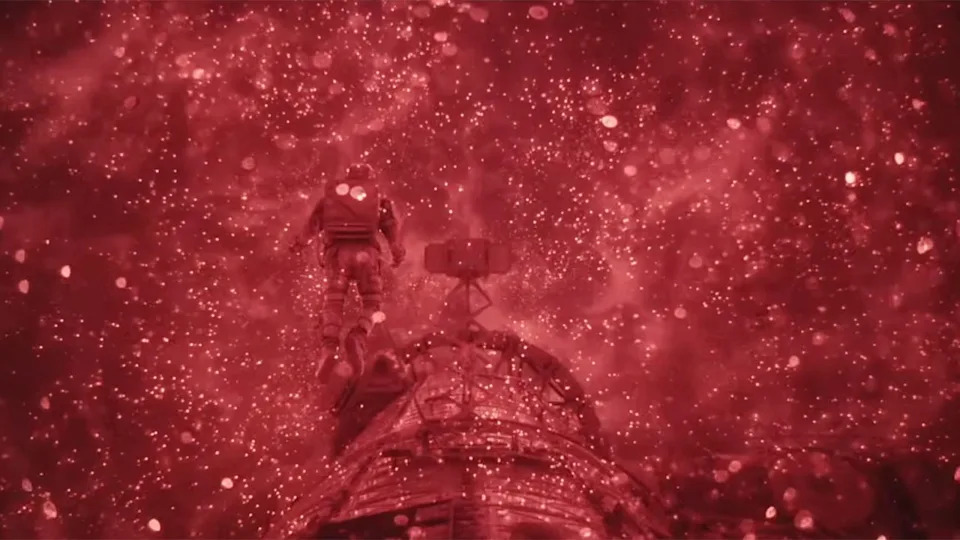
The film doesn’t trivialize space either. An interstellar journey is the kind of thing we might be able to accomplish with the pooled resources of humanity, the brightest engineers, designers and scientists of our species, but it’s also a long, extremely dangerous and difficult undertaking.
Thus the name Project Hail Mary. It’s a long shot, audacious and unlikely to succeed, but as Sandra Hüller’s UN project leader explains to Goslin’s Grace, the only alternative is to do nothing and wait to die.
Perhaps most importantly from a science perspective, the film offers a clever way for the project to generate the energy needed to send a ship to Tau Ceti at near-light speed. Currently we might be able to build a viable vessel, which would be a monumental design and engineering challenge, but it would take more than 150,000 years to travel that far with our best current propulsion systems. More energy — and speed — is a must, especially when the mission is a race against time, with only a few decades before our planet freezes over.
The movie’s solution won’t help us in real life, but within the context of the narrative it’s a clever way of traversing enormous distances in a short time instead of the thousands of years it would normally take.
Plausible science provides the framework for the story, but its payoff is emotional, and Dr. Grace’s experiences with his strange new friends will remain with you after the credits roll.
If you’re like me and didn’t rush to see this in the theaters because you found The Martian — based on a book by the same author — overhyped, do yourself a favor and spend an evening in Project Hail Mary‘s world. It’s a journey well worth taking, and the rare movie that leaves you with a glow by the time the credits roll.
Project Hail Mary is currently streaming on Amazon Prime video.
via Pain In The Bud