
Kopi luwak is the most expensive beverage in the world and a testament to how pretentious people can be about things labeled exotic, wild or rare.
Developing a taste for the coffee, which hails from Indonesia, means taking on a costly vice: “farm-harvested” kopi luwak beans can go for more than $100 per pound, while beans supposedly harvested from the wild can fetch more than $1,000 per pound.
All for a beverage made from coffee beans eaten and shat out by civet cats.
Aficionados claim the beans undergo a partial fermentation process as they travel the animal’s digestive track, breaking down certain proteins in a process said to reduce acidity. The beans are ejected in fecal logs, which are “harvested,” washed and packaged for sale. (That’s right. Your kopi luwak arrives in authentic segments of constipatory excreta, certifying freshness!)

The result, kopi luwak fans claim, is a smoother, smokier, chocolatey brew.
Others disagree.
Kopi luwak tastes like “[p]etrified dinosaur droppings steeped in bathtub water,” a Washington Post writer sniffed, while others insist there’s no meaningful difference compared to most coffee.


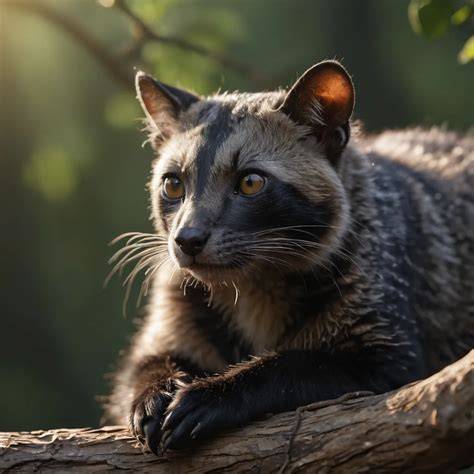
Besides the disagreement over the flavor of kopi luwak, there are major ethical issues and the potential for disease transmission vectors.
Civet cats aren’t true cats. The Asian palm civet, which is the species used for kopi luwak, is a viverred and is closely related to genets and oyan, which are ferret-like small carnivores.
In plain terms, it’s a feliform animal that shares ancestry with felids and looks like a cross between a cat and a mongoose, but it is distinct from the familiar felidae family we’re all familiar with. Feliform simply means animals with cat-like body plans.
It’s also a wild animal, and the lucrative kopi luwak market has led to widespread exploitation of the civets. The animals, who are highly mobile and curious, are slotted into battery cages, stuffed with cherry coffee beans, and exist as living food processors for Indonesia’s coffee industry.

In a country known for exploited “dancing monkeys” (topeng monyet), and the destruction of species like the orangutan via the ruthless destruction of irreplaceable old growth jungle, animal rights are way down on the list of priorities.
Buying kopi luwak fuels the industry and perpetuates the cycle of bean harvesters stealing young civets from the wild and subjecting them to miserable lives in cages where they can barely move.
So if you’re the adventurous type who is normally game for unconventional food and drink, you might want to sit this one out and have a cup of Folgers instead.
via Pain In The Bud